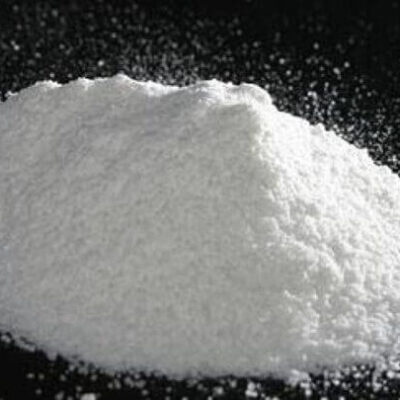
Snus is a smokeless tobacco product that first appeared in Sweden about four hundred years ago. It quickly gained popularity in its homeland, then in Norway, most of the European Union, and the United States. Due to the harmful effects on the body, on the recommendation of the WHO, snus was banned in most developed countries. But it remains a legal substance in Ukraine – snus can be bought at retail outlets in Kyiv and other cities.
It is sold in dosed sachets or in bulk. It is enough to place a sachet with the substance between the lip and gum – this makes the use almost invisible to others, even with close communication. According to the mechanism of action and the health consequences, snus is a narcotic substance – it can cause addiction, and its use is more harmful than smoking tobacco.
Content navigation
Composition and types of snus
It has a multi-component composition. In addition to the crushed tobacco leaf containing a large dose of nicotine, the mixture also includes auxiliary substances: water (for moisturizing and easy absorption), flavors and food additives (to improve the taste of the mix), salt or other preservatives (for long-term preservation of qualities).
There are two types of snus on the market: portioned and loose. Outwardly, it looks like a heterogeneous thick porridge of white or brown color:
Portioned – sold in perforated paper bags of 0.3-2 grams of various dosages. Most snus is packaged in three doses (mini – 0.3-0.4g, standard – 0.8-1g, and large – 1.5-2g.) A person chooses the dosage on the current “needs” of the body to achieve the desired effect;
Loose – sold in cardboard boxes by weight. As a rule, this option is preferred by experienced consumers, which allows them to select an individual dosage.
How snus works
The mechanism of action of snus is similar to smoking cigarettes and cigars. It is based on the intake of the narcotic substance nicotine into the body. Although snus contains a higher nicotine concentration than smoking tobacco, the amount ingested into the human body is similar to that of smoking tobacco.
The effect of snus is accompanied by a surge of energy, increased vigor, and improved mood. There may also be an accelerated heartbeat, vasoconstriction, and increased pressure. A decrease in nicotine concentration in the blood makes a feeling of loss of strength, headache, and nausea possible.
Back call
Half an hour after ingestion, about 15 ng/ml enters the bloodstream, then the dose is increased to 30 ng/ml. Unlike smoking, when taking snus, harmful substances do not enter the body through smoke – this creates an imaginary feeling of safety because manufacturers position it as less harmful than smoking tobacco.
Is snus a drug?
Even though the concentration in sucking tobacco is much higher than in smoking tobacco, snus does not change a person’s mind and does not belong to narcotic substances prohibited in Ukraine – they can be bought in Kyiv and other cities, similarly to ordinary cigarettes. But the specialists of the MEDLUX clinic claim that despite the legality, the use of snus causes a stable mental and physical dependence.
Most children and adolescents who use snus become addicted to nicotine and active cigarette smokers. Without timely measures, addiction can develop into more severe forms.
What is more harmful, snus or cigarettes?
All smoking and chewing tobacco products cause significant harm to the health of the body. They cause nicotine addiction, seriously affecting mental and physical health. Today, doctors do not undertake to talk about which drug is more harmful: snus or cigarettes.
But we can confidently say that a large amount of nicotine and more than 30 carcinogenic substances in the composition of snus is more likely to provoke addiction and cancer development. However, a direct connection between snus use and cancer has not been established. Snus use is a form of addiction.
Anonymous guarantee
Emergency assistance 24/7
Free consultation
Addiction in teenagers
The high popularity of snus among schoolchildren and adolescents is due to the increased availability of the product. It is also cheaper than the classic – the price factor is often predetermining in the choice process for children with limited funds. Snus is also much easier to use discreetly than smoking substances that leave a pronounced odor on the hands and body – parents do not smell the smoke and do not suspect that their child uses harmful substances.
Severe nicotine dependence forms in a teenager after a few snus uses, then certain withdrawal symptoms are possible. If addiction is detected, seeking advice from a narcologist is important. Most users start smoking cigarettes within three years of first taking snus.
Consequences of snus use
Nicotine is an insecticide, so long-term use of snus can lead to a range of adverse effects on a person’s mental and physical health. In addition to sudden vasoconstriction, increased blood pressure, headaches, and loss of energy, the use of snus can lead to many serious consequences:
Caries, periodontitis, ulcerative lesions of the gums, and other pathologies of the oral cavity;
Violation of carbohydrate metabolism in the body, developing into diabetes mellitus;
Nicotine gradually damages blood vessels, causing the formation of atherosclerotic plaques, the development of vascular and heart diseases;
Increases the likelihood of developing cancer.
Snus addiction treatment
First, when likening snus, psychological dependence is formed on nicotine, which enters the bloodstream when using tobacco. It is challenging to stop using it alone – only 5% of people manage to do this. Therefore, therapy involves the intensive work of a psychotherapist at the MEDLUX clinic in Kyiv. Motivating the patient to a complete cure properly is important – one must realize the perniciousness of the problem and want to solve it himself.
In the treatment process, psychotherapy, nicotine replacement therapy, medication treatment, and hypnosis can be used to form a person’s aversion to tobacco.