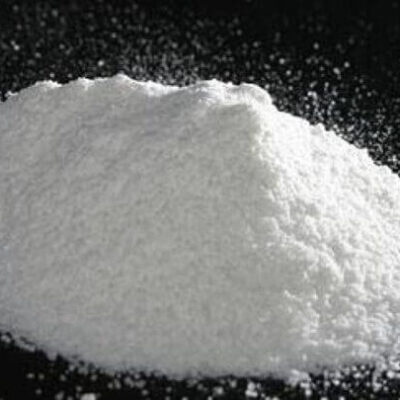
Heroin addiction

Heroin (diacetylmorphine) is a semi-synthetic analgesic narcotic substance of the opioid series and is one of the most dangerous drugs of our time, causing severe physical and mental addiction after the first use. It was developed in 1874 as a safer substitute for morphine. Still, after testing, it turned out that heroin is stronger and more dangerous than morphine, and heroin withdrawal causes unbearable suffering.
Heroin is officially banned for sale and use in Ukraine. It is impossible to buy it in Kyiv and other cities of the country. But smuggling from Afghanistan and other producing countries is booming. Unfortunately, heroin addiction is one of the most common worldwide and difficult to treat. Among drug addicts, heroin received the following slang nicknames: Dope, Smack, H, Junk, Skag, Snow, Horse, China White, Brown, Beast, Hero, etc.
Early signs of heroin use
There is a whole range of signs that make it possible to suspect a person of using opium. Their specificity may differ depending on the individual characteristics of the human body, as well as the method of use: swallowing, inhaling, smoking, or injecting. In most cases, you can determine the presence of heroin addiction by the following signs:
- A sharp improvement in mood, increased agitation, crankiness, and rapid mood swings;
- Decreased appetite, a person begins to lose weight quickly;
- There are traces of injections on the hands or remains of a light powder near the nostrils;
- Acceleration of breathing becomes frequent and superficial;
- Appears dry mouth; the addict has a constant feeling of thirst;
- Redness of the skin of the face when short-term itching appears in various areas;
- The pupils narrow, redness around the eyes is visible;
- An expression of light thoughtfulness is formed on the face;
- The patient has an urgent need for money without explanation. An addict can go to theft, including from loved ones.
- With a long absence of drugs in the blood, heroin withdrawal appears.
Back call
How heroin addiction manifests itself
The systematic use of heroin is accompanied by active stimulation of opioid receptors – this leads to a rapid improvement in mood, a feeling of imaginary lightness, and euphoria. Heroin addiction manifests itself in two directions at once: physiological and psychoemotional. After the first dose, a habit is formed, and in the absence of a substance in the blood, the patient experiences withdrawal from heroin.
Physiological manifestations are accompanied by poor coordination of movements, problems with vision, slurred and confused speech, dizziness, burning eyes, problems with bowel movements and urination, and brittleness.
Psychoemotional manifestations are associated with a disruption in the functioning of opioid receptors – these disorders lead to malfunctioning of the central nervous system, which is accompanied by delusional disorders, sudden unreasonable mood swings, hallucinations that are terrible for a drug addict, and confusion, including during periods of sobriety, when drug intoxication with heroin has passed.
The effect of heroin on the body
After heroin enters the body, it biotransforms into morphine metabolites, directly stimulating opioid receptors. A few minutes after taking heroin, an addict feels high and carefree. The effect of the substance on the receptors leads to a gradual loss of sensitivity – the body wants to feel euphoria again and again, gradually increasing the dose of heroin to achieve the desired effect.
The effect of heroin on the body is gradual: in the liver, it converts to morphine, then it crosses the blood-brain barrier and enters the brain, where it stimulates opioid receptors. The breakdown of heroin produces large amounts of gamma-aminobutyric acid, which has a calming effect on the central nervous system.
How fast does heroin addiction develop?
Heroin addiction, like most other addictions, has three main stages of development: initial, intermediate, and final. Let’s take a closer look:
- The initial stage of heroin addiction has severe symptoms. A patient has an irresistible desire to use the next drug dose and acute psychological discomfort is also formed without a substance in the blood. This stage is the most favorable for the effective treatment of heroin addiction and subsequent rehabilitation of the drug addict;
- Intermediate stage of heroin addiction is formed two to three weeks after the initial one. The body develops tolerance to heroin, and an acute physical dependence appears – each time an increased dose is required to achieve the desired effect. There is a psychological destruction of the personality. Immediate consultation with a narcologist is needed, followed by the introduction of a heroin treatment regimen;
- The final stage of heroin addiction is the most challenging to treat. A patient completely loses control over oneself. Life’s only desire and meaning is to use another dose of heroin. At this stage, drug overdose cases with fatal outcomes are not uncommon.
What is the danger of heroin?
Heroin is a drug that is equally addictive on a mental and physical level. After the first use, the addict loses the desire and willpower to treat drug addiction in a specialized center.
MEDLUX experts note that in the absence of heroin in the blood, even for a short time, the patient develops withdrawal symptoms, and their intensity gradually increases until unbearable torment. If you do not promptly remove withdrawal by detoxification or do not use the next dose, there is a high risk of death. Also, a gradual increase in the body’s tolerance to the drug requires a constant increase in a single dose of heroin – this often leads to overdoses with serious consequences.
Consequences of heroin use
Unlike other types of drugs, heroin is very addictive, literally from the first use. At the first stages of taking, such consequences as causeless anxiety, increased nervousness, respiratory failure (accompanied by a feeling of lack of air), clouding of consciousness, decreased mental processes, and disruption of the gastrointestinal tract are manifested.
With prolonged use, the addict will face more severe consequences, including disruption of the immune system, respiratory diseases, convulsive phenomena (up to paralysis), physical exhaustion of the body, memory loss, acute mental disorders, coma, cardiovascular pathologies, etc. The most severe consequence is death.
Heroin withdrawal
The first symptoms of heroin withdrawal appear 8-12 hours after taking the drug. The patient’s anxiety increases – appetite and sleep disappear. On the second day, there is a noticeable chill, profuse salivation, and pain in the neck and back. Then come convulsive phenomena, pain in the chest cavity, and fever grows. The addict may become unconscious. The face takes on an earthy shade. Suffering intensifies to unbearable levels and lasts 5-15 days.
In Kyiv, the UROD method (ultra-rapid opioid detoxification) is commonly used. It involves opioid antagonist medications – naloxone or naltrexone- and concomitant therapy to alleviate the condition. The procedure takes 5-6 hours after the patient arrives.
Treatment for heroin addiction
In Ukraine and other countries of the world, a heroin addict is not able to get rid of addiction on his own. All he needs is an integrated professional approach, including psychotherapy, medication treatment of drug addiction, and subsequent rehabilitation.
Treatment of heroin addiction in Kyiv at the MEDLUX clinic includes a whole range of activities, including:
- Obtaining informed, voluntary consent of the patient to undergo treatment;
- Complete detoxification of the body from the drug and harmful products of its decay;
- Drug treatment and restoration of the normal function of vital organs and systems;
- Rehabilitation using various methods aimed at eliminating destructive thoughts and forming a belief in sobriety;
- Resocialization allows a person to return to a normal life, where there are relatives and friends, work, a good social circle, and no drugs.

Narcologist, psychotherapist, head of the clinic
Services
Another from blog