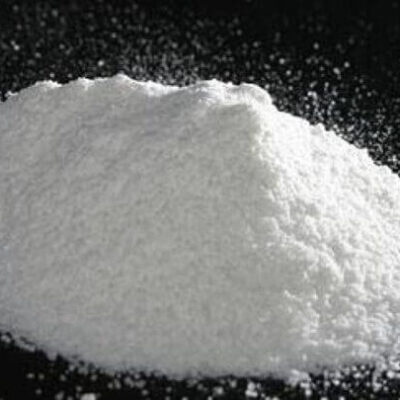
Ketamine – everything about it

Ketamine is a drug used in medicine and veterinary medicine for short-term non-inhalation anesthesia. It is an NMDA receptor antagonist, has a pronounced analgesic and dissociative effect, causes a distorted perception of the world, hallucinations, and also has a depressing effect on the body’s innate reflexes.
It was invented in the middle of the 20th century as a replacement for the more dangerous phencyclidine. It gained wide popularity in the field of anesthesiology. Until recently, it belonged to permitted drugs, but after the start of its mass usage by drug addicts, ketamine fell under the ban on sales without a prescription – the state strictly regulates its sale and use. Ketamine can also have the following names: ketaset, kalypsovet, kalypsol, ketanest, ketalar, etc.
Content navigation
What ketam is and its features
“Ketam”, “Vitamin K”, “Kate” are slang names for ketamine, used in youth circles, as well as among drug addicts. It gained wide popularity in Ukraine in the late 90s, especially among adolescents. It is connected to the high availability of the drug, which can be purchased in unscrupulous pharmacy chains and veterinary pharmacies. A key feature of ketamine is its distinct psychoactive and hallucinogenic properties, and it also provokes the gradual development of mental and physical dependence. The drug is available in various forms, so its use can be carried out in multiple ways. But in 90% of cases, drug addicts use the injection method. Prolonged use can cause mental disorders and, in severe cases, panic attacks, depression, and schizophrenia.Signs of ketamine use
It is difficult to determine whether a person uses small drug doses in the early stages of addiction development. The first signs of addiction can be observed after 3-4 weeks of regular use. They have the following manifestations:- Violation of movement coordination: atypical movements of the limbs, sharp turns of the body, irregular pace;
- Rapid mood swings, aggressive behavior, unreasonable rudeness;
- Speech becomes slower;
- Decreased pain sensitivity;
- Defocusing of the gaze.
The effect of ketamine on the body
Ketamine has a complex negative impact on the mental and physical health of the body. The drug causes a violation of the natural connections between different parts of the brain, which provokes the loss of the ability to objectively perceive the signals of the sensory organs – the drug addict has a feeling of “expanded consciousness”.
Drug intoxication with ketamine occurs in three main stages:
- 2-3 minutes after the injection of ketamine, a person feels dizzy, has double vision, and pleasant relaxation;
- After 20 minutes, the addict’s heart rate increases, blood pressure rises, and a feeling of maximum lightness and euphoria sets in. He becomes talkative, unreasonable laughter appears, while his thoughts are confused, and his speech slows down;
- After 30-40 minutes, the third phase of drug intoxication begins. The drug addict remains in an elevated mood, feel numbness of the upper limbs, and lethargy is even more apparent. Hallucinations start, the sense of one’s body is lost, and paranoid thoughts and depersonalization are possible.
Back call
Experienced drug addicts, after the cessation of the action of the substance, feel an abstinence syndrome (withdrawal), which is accompanied by severe pain throughout the body and a painful condition.
How long ketamine stays in the body
Ketamine has an increased lipophilicity, therefore, it quickly spreads throughout the body and penetrates the blood-brain barrier. After injection, the maximum concentration of the drug in the blood is observed after 1-1.5 hours. Metabolism of the drug takes place in the liver, where liver enzymes break down the substance. Cumulation of the essence in the internal organs is not observed, while the half-life from the blood is 2-3 hours. The maximum concentration in the urine is observed 2 hours after the introduction of ketamine into the body, and the complete disappearance of traces occurs after 3 days. To speed up the withdrawal of the drug, as well as prevent painful withdrawal, the body is detoxed from drugs. Depending on the complexity of the problem and the individual characteristics of the addict’s body, detoxification can be carried out at home or in a drug addiction hospital.Overdose and side effects
An essential feature of using ketamine is the need for strict dosage control. Overdose cases are quite frequent – they often lead to severe consequences, up to death. Side effects of a ketamine overdose include:- Gagging and vomiting;
- Motor overexcitation, uncontrolled movements of the limbs;
- Convulsive phenomena (clonic convulsions);
- Loss of consciousness, falling into a coma;
- Confusion of consciousness, incoherent speech;
- Hypertonicity of skeletal muscles;
- Increased salivation (hypersalivation).
Anonymous guarantee
Emergency assistance 24/7
Free consultation
Ketamine and the effects of its long-term use
The systematic long-term use of the narcotic drug “Ketamine” or analogs leads to the rapid development of mental and physical dependence. Already 3-4 weeks after the first dose, in the absence of a substance in the blood, the addict begins to feel unbearable withdrawal, and their main desire is to search for and use the next dose. Other effects of long-term ketamine use include:- Cardiac disorders – myocardial dystrophy, ventricular failure, severe forms of arrhythmias, etc.;
- Renal necrosis of papillary type;
- Pseudo-hallucinations that can lead to rash actions;
- Violation of the genitourinary system, chronic ulceration of the bladder.
Ketamine addiction treatment
Treatment of ketamine addiction is always complex and begins with an initial consultation with a narcologist, who determines the degree of addiction of the patient, assesses his current condition, and develops an optimal treatment regimen. In most cases, ketamine addicts die due to an overdose of the drug and the severe consequences of intoxication with decay products. Treatment is carried out in several stages:- Comprehensive detoxification of the body – aimed at prompt removal of drug residues and its decay products;
- Drug therapy – allows you to normalize the work of vital organs and body systems;
- Coding – establishes a powerful physical and psychological barrier to prevent the possible use of the substance at any convenient time for the addict;
- Rehabilitation is the longest stage of drug addiction treatment. It includes a set of measures aimed at returning a person to an everyday life without drugs.

Author Brednev Ivan
Psychiatrist, narcologist
Services
Another from blog