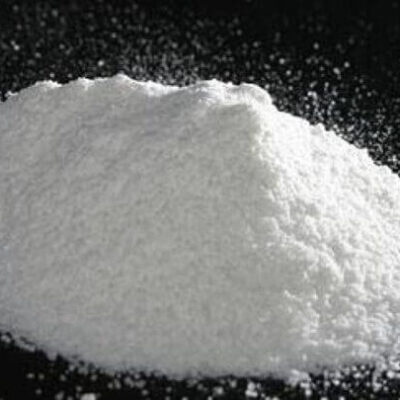
Opium addiction

Opium is a potent narcotic substance extracted from the immature bolls of the soporific poppy (milk of the poppy). It causes a stable addiction after a few doses. When exposed to opioid receptors, a person feels an imaginary surge of euphoria and high.
The first mention of the use of opium by a person dates back to the 4th millennium BC. The manufacture and use of opioid drugs have a long history and have been a common practice for centuries, including today. The most famous drug-related events are the Opium War, which took place in China at the end of the 19th century and claimed many lives.
What drugs are classified as opiates
The drugs of the opiate group that cause opium addiction include herbal, semi-synthetic, and synthetic psychoactive substances that have an apparent sedative effect. Due to the presence of toxic components, synthetic opiates have the greatest danger of the harmful effects of the drug on the body. Let’s take a closer look:
- Synthetic – promedol, tramadol (pharmaceutical drugs), fentanyl, methadone, etc.;
- Semi-synthetic – hydromorphone, heroin, ethylmorphine, dihydrocodeine;
- Plant origin – codeine, promedol, morphine, poppy straw.
All of the above types of drugs are united by the mechanism of action on the human body. Immediately after admission, they bind to opioid receptors in the brain and spinal cord, blocking the susceptibility of the nervous system to pain stimuli.
Development of opium (opiate) addiction
An essential feature of opioid drugs is the rapid development of mental and physical dependence – stable addiction appears after 4-6 injections. The fundamental desire in the life of once talented and cheerful people is to find the next dose and use it.
Opiate addiction develops in three main stages: psychological, physical, and personality degradation. The duration of each stage may vary depending on the characteristics of a particular organism.
- Psychological dependence – formed after the first use of the substance. In the first 3-5 uses, there is a gradual increase in tolerance to the drug, but the need for it is unstable. The patient, remembering past doses of the substance, begins to “anticipate” the effect of the dose. It is the most suitable period for calling a narcologist at home and effective treatment;
- Physical dependence – the second stage of the development of drug addiction, characterized by the appearance of withdrawal symptoms. It occurs during the period when tolerance to the drug reaches its peak. The patient begins to use the substance not for pleasure but to meet the body’s new needs. Also, the technique allows you to remove the withdrawal of a drug addict, accompanied by severe suffering;
Back call
- Degradation of personality – the final stage of opium addiction. Poorly treatable. It is accompanied by a decrease in a person’s mental abilities, the development of insanity, and a rapid deterioration in physical health. In many cases, if left untreated, it ends in death.
Signs of opium addiction
A person who uses opium-type drugs has characteristic signs and symptoms. Thanks to these signs, with a high degree of probability, loved ones, relatives, or friends can determine whether a person is using substances hazardous to health.
The first signs of opiate use include severe dilation of the pupils, inhibited reaction to the actions of others, slurred or incoherent speech, loss of interest in school, work, and loved ones, a sharp change in social circle, secret calls, inexplicable spending of money, mood swings, unreasonable aggression, etc.
Gradually, physical signs of opium addiction also appear. Among them are darkening of the teeth, hair loss, traces of injections on the hands, rapid weight loss, blanching of the skin, puffiness under the eyes, etc.
When the first signs of addiction are found, relatives of a drug addict should seek the advice of a narcologist. He/She will determine the validity of suspicions and, if necessary, prescribe diagnostics and treatment.
The effect of an opiate on the human body – the consequences of use
The use of opioid drugs entails a whole range of negative consequences for mental and physical health. The rapid development of dependence is explained by the presence in the human body of sensitive receptors that interact with opiates.
The drug has a strong effect on all organs and systems of the body. There is a gradual change in the consciousness of the patient, who begins to live with the sole purpose of finding and using the dose. Common effects of opium addiction are:
- Deterioration of brain activity (in the absence of treatment, there is a complete degradation of the personality);
- High risk of developing concomitant diseases: hepatitis, HIV, AIDS, etc.;
- Reduced immunity, appetite, and muscle atrophy;
- Severe damage to vital organs (leads to death within 5 years).
If timely treatment and rehabilitation of a drug addict are not carried out, such consequences of opium use as strokes, heart attacks, malignant neoplasms (cancer), liver cirrhosis, vein thrombosis, infertility, and blood poisoning can occur.
Removal of opium from the body
The most crucial factor in effectively removing the opium from the human body is the cessation of its use – this is a challenging task for addicts. The average withdrawal period is about 2 days (depending on a particular person’s body characteristics).
During drug addiction treatment, to accelerate the elimination of opium from the body, the UROD method (ultra-rapid opioid detoxification of the body) is used. It provides for the patient’s stay under general anesthesia in a narcological hospital. Special droppers are used for removal under the supervision of specialized doctors. An important feature and critical advantage of the UROD method is the speed (up to 8 hours) and the absence of unbearably painful withdrawal.
Treatment for opium addiction
Drug addiction treatment is complex and involves the patient going through several stages, including:
- Awareness of the problem – the patient must understand their problem and its perniciousness. The psychiatrist visits the patient’s home or makes an appointment within the walls of the clinic, and he/she also conducts motivating conversations;
- Diagnosis – an assessment of the state of the body is carried out, and the doctor determines the stage of development of the problem and develops an optimal treatment regimen for opium addiction;
- Therapy – provides for detoxification of the body (by the usual method or UROD), normalization of the functioning of vital organs and systems, as well as complex supportive therapy;
- Filing – performed immediately after detoxification. The procedure aims at creating a stable psychological and physical barrier that does not allow the addict to use the next dose at an opportunity;
- Rehabilitation is the most important and lengthy stage of treatment. Its task is to normalize the patient’s social life in the surrounding world, where no drugs exist.
Should you have questions or need a consultation with a narcologist, contact our clinic!

Narcologist, psychotherapist, head of the clinic
Services
Another from blog